


Third Party and Contract Manufacturing Pharma Companies in India: How to Shortlist One
Where the plants are found, what to send so you get a real proposal, how to compare proposals on the same seven lines, and what happens at the audit and the first order.
Home›Third Party Manufacturing›How to shortlist a third party manufacturer
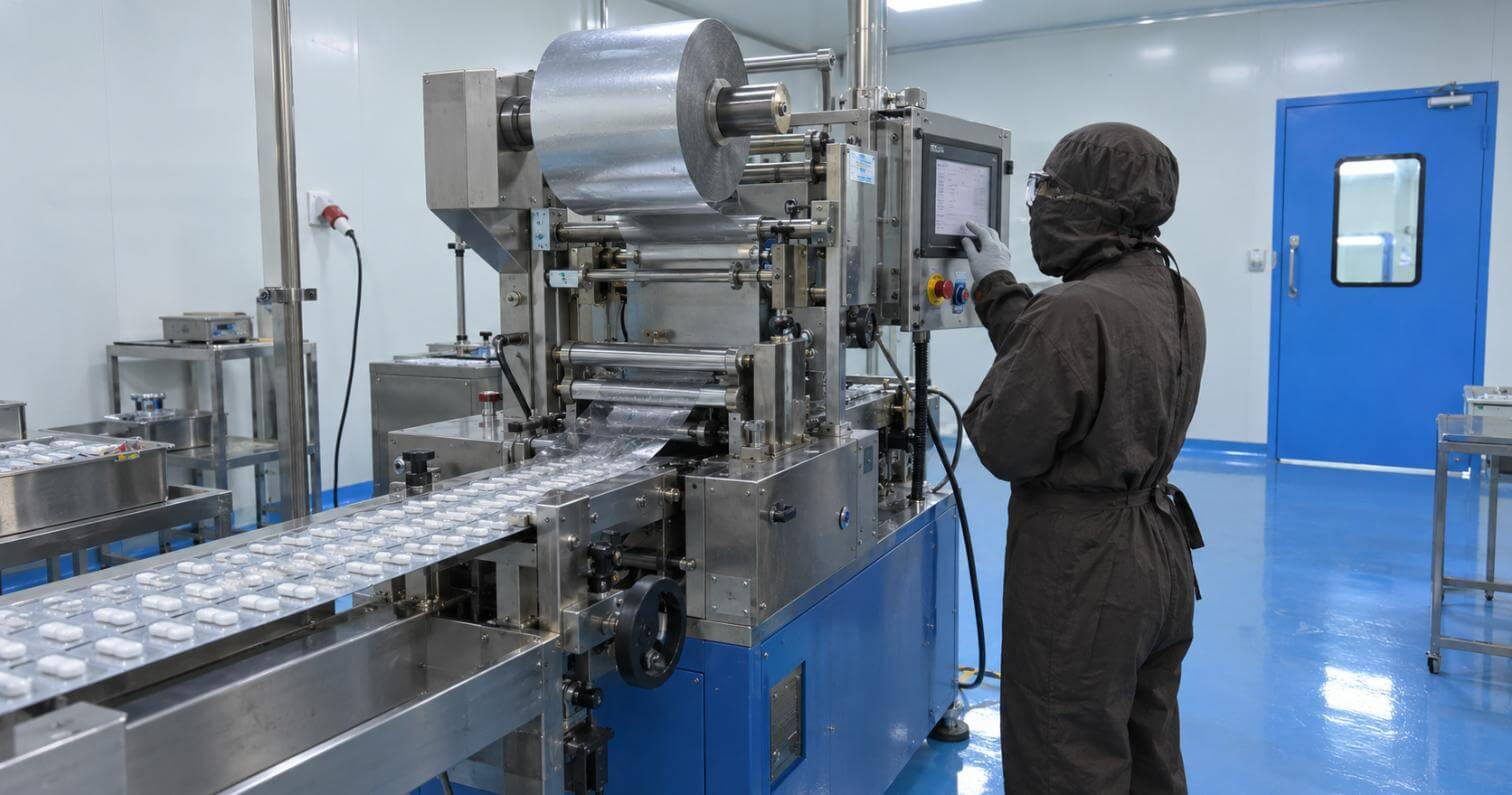
Third party manufacturing and contract manufacturing are two names for the same arrangement: a licensed plant manufactures your products under its own licence, and your company appears on the pack as the marketer. India has thousands of plants that offer it, most of them in Himachal Pradesh, Haryana, Uttarakhand and Gujarat, and the search results for “third party manufacturing pharma companies” are mostly lists written by the plants themselves. This guide is the process instead: where to find plants, what to send them, how to read what comes back, and what to check at the plant, written from the enquiries and proposals that pass through Vibcare Healthcare’s own manufacturing desk.
- The process, start to finish. Enquiry, proposal, audit, agreement, first order and repeat cycle, in the order they happen.
- Seven lines to compare on. Every proposal from every plant read against the same seven lines, on a one-page sheet you can download.
- One worked example. Vibcare Healthcare’s own answers on each of the seven lines, so you can see a completed row.
What third party and contract manufacturing mean
One arrangement, two names, and two neighbours it is confused with
Where the plants are found
Regions and channels
Why the “top 10” lists differ from each other
What a list search returns, and how to read it
A search for “top 10 third party manufacturing companies in India” returns lists that share almost no names with each other. Most of them are published by manufacturers, and each places its publisher first. They are advertisements in the form of a list. Read them as a way to find plants to enquire with; the ranking is the one you build yourself from the proposals, on the same lines for every plant, and from the visit.
This guide names no company for that reason. Vibcare Healthcare appears at the end as a worked example of a completed proposal row, with its plant facts, and you compare it with the others on your sheet.
What you need on your side before you enquire
In the order they come up
Three mistakes that cost first-time buyers money
Seen at the enquiry desk more often than any other
- Asking for a rate without a quantity. A rate quoted against no quantity is quoted against the smallest batch, and the rate you get on your real volume will be different. Send the annual quantity per product with the first message.
- Comparing rates without batch sizes. A lower rate per pack with a batch of two lakh tablets commits you to more stock than a slightly higher rate with a batch of one lakh. Compare rate and batch size together, per product.
- Signing without a lead-time start point. “45 days” means nothing until you know what day one is. Ask for the event the lead time is counted from, written in the proposal, and hold the plant to it.
How to send an enquiry that gets a proposal
Four things, and why each one changes the answer
Send the same four things to every plant on the shortlist, on the same day, so the proposals that come back can be compared. A plant that answers with a rate card and no questions has not read your list.
How to read and compare proposals
The seven lines every written proposal must carry, and what a missing line means
| Line | What it must state | If it is missing |
|---|---|---|
| 1. Rate per pack | Rate for each product and pack size against the quantity you sent, and what the rate includes: foil, carton, leaflet, freight | Ask for the inclusions; a rate without them cannot be compared |
| 2. Batch size | Minimum batch per product and section, in units | The quantity each order commits you to is unknown; ask before comparing rates |
| 3. Pack format | Blister, alu-alu, strip, bottle or tube; who prints foil and cartons and where | Foil printed outside the plant means artwork changes and re-orders wait on a converter |
| 4. Capacity committed | Installed capacity of the section and the share confirmed for your annual quantity | Your repeat orders will queue behind other customers’ with no commitment to you |
| 5. Payment terms | Advance on the first order, terms after it, and what triggers each payment | Assume full advance until told otherwise |
| 6. Lead time and its start point | Days to dispatch and the event day one is counted from; a separate lead time for a product not yet on the licence | A lead time with no start point is not a commitment |
| 7. Documents with each batch | Certificate of analysis per batch; stability data on request; licence and certificate copies; Site Master File and quality agreement for vendor qualification | Ask which of these the plant does not give, and why |
The proposal comparison sheet is these seven lines with three columns, one per plant, on one page.
Send your product list for a written proposal on all seven lines
The vendor audit
One day at the plant, before the first order
From proposal to first order
What happens after you choose
| Stage | You | The plant | When |
|---|---|---|---|
| Agreement | Accept the proposal; confidentiality agreement if wanted | Manufacturing agreement and quality agreement | After order confirmation |
| Artwork | Final artwork per brand, or brand names for the plant to prepare it; wholesale licence copy | Rule 96 name check; label, leaflet and carton proofs for approval | Until you approve |
| Advance | Advance as stated in the proposal | Batch scheduled; foil and cartons printed | On proof approval |
| Manufacturing | — | Batch manufactured, packed, tested and released by quality control | Within the stated lead time from its start point |
| Dispatch | Delivery address, transporter preference | Consignment with its certificate of analysis | Within the same window |
| Repeat cycle | Forecast for the range | Repeat batches scheduled against the forecast, each product after the range’s cycle has run | Per cycle |
The same process applies when the buyer is a tender bidder, with the manufacturer’s authorisation added (see institutional supply), or an importer, with the manufacturer’s documents for the registration file added (see exports).
Vibcare Healthcare as a worked example
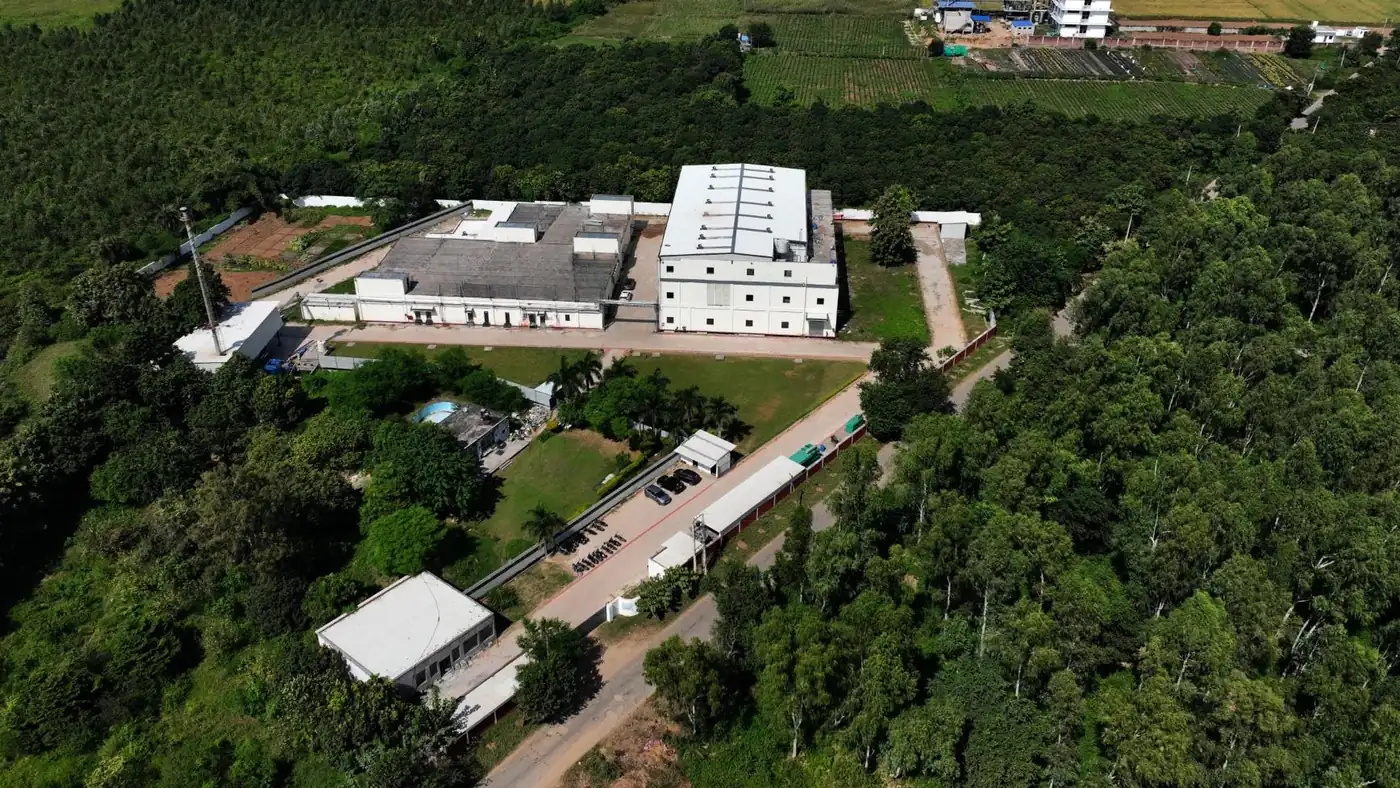
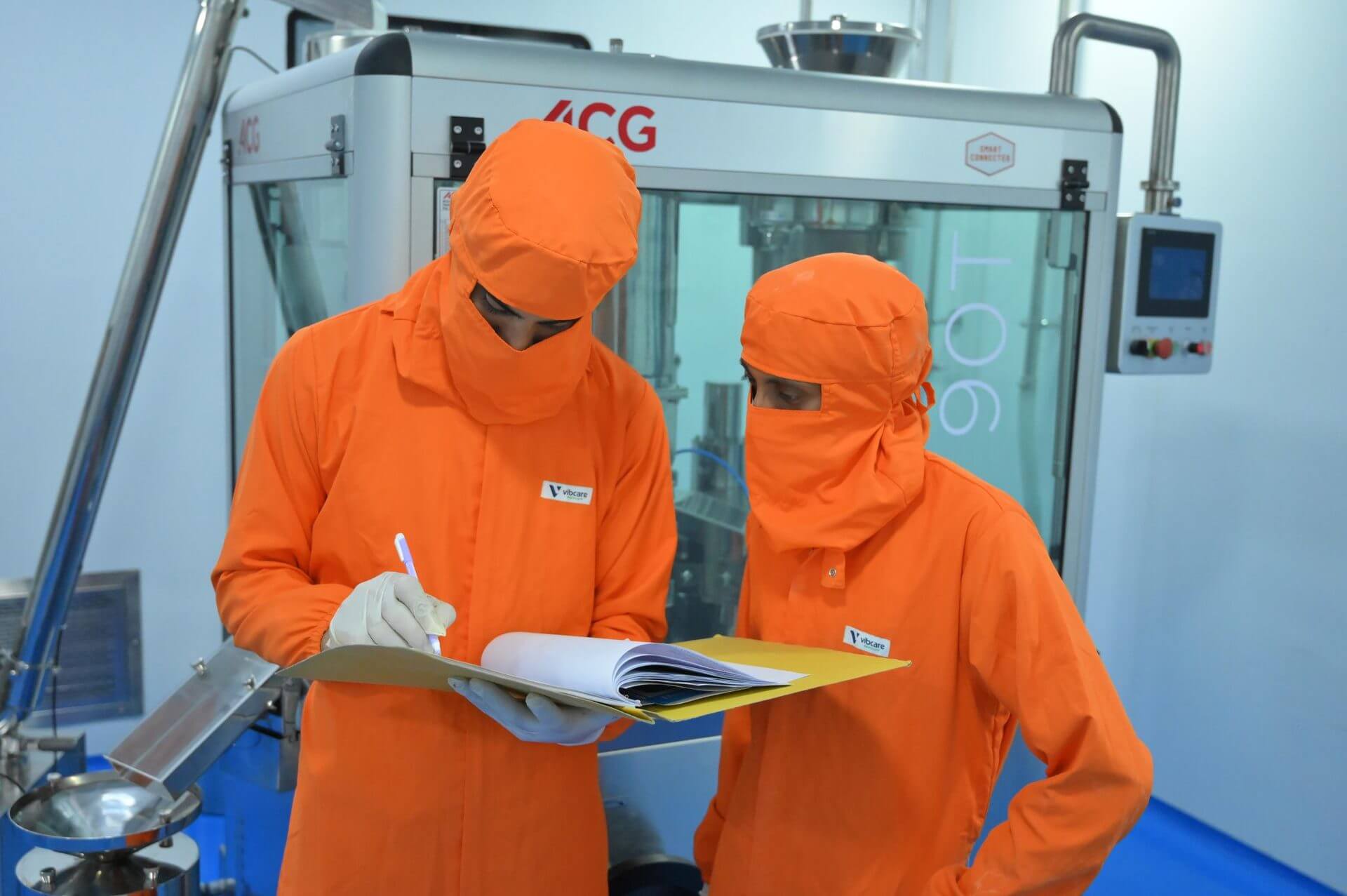
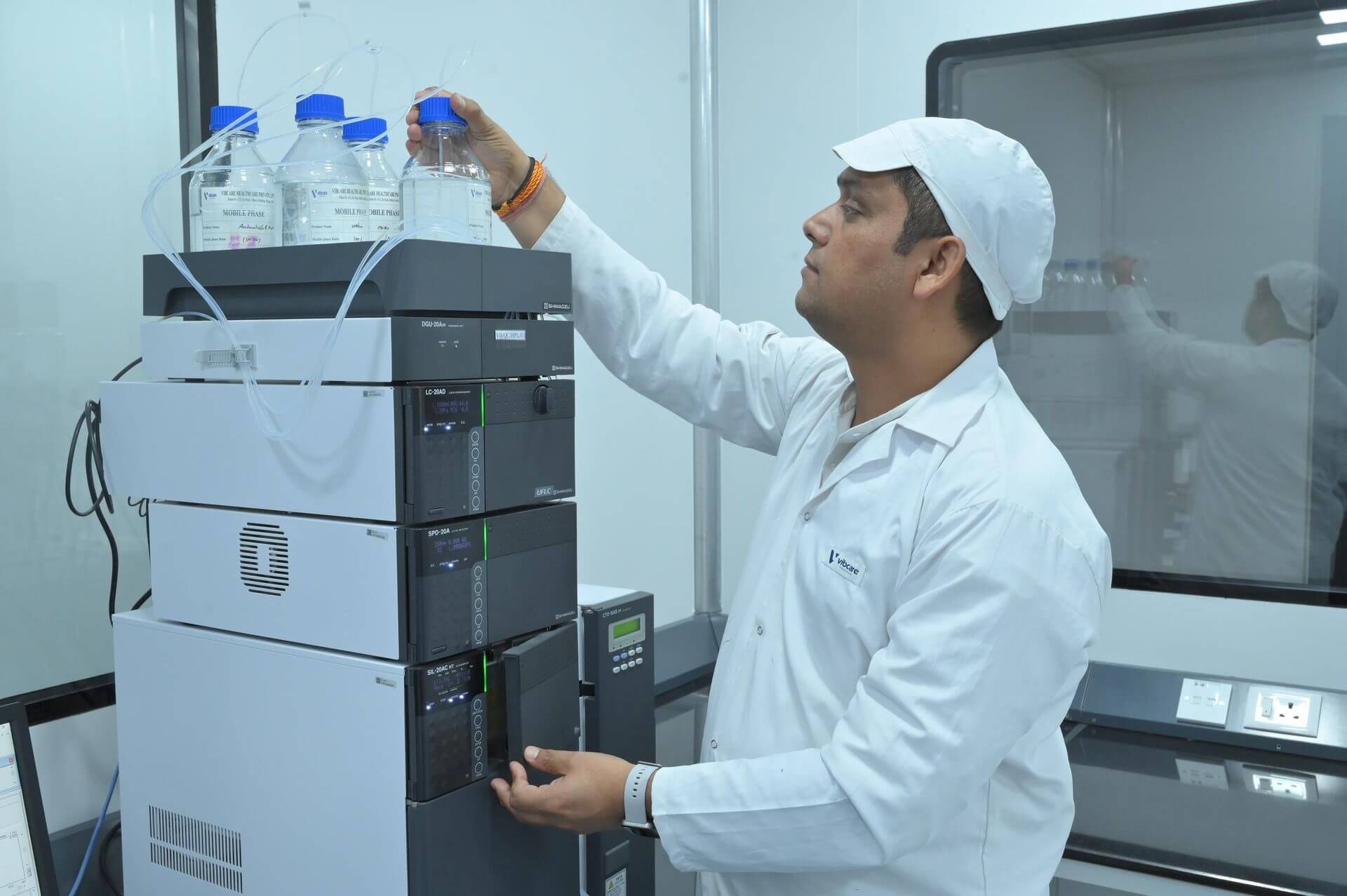
The seven lines, answered for the plant at Dabkori, Panchkula
Questions buyers ask when shortlisting a third party manufacturer
Answered from the plant
Is contract manufacturing the same as third party manufacturing?
Yes. Contract manufacturing is the international name and third party manufacturing the Indian trade name for a licensed plant manufacturing your products under its own licence, with your company on the marketed-by panel. Proposals, agreements and audits are the same.
How many plants should I shortlist?
Three is enough to compare, if all three receive the same product list, pack sizes and annual quantity on the same day. More than five and the proposals arrive on different bases and cannot be compared.
Why do the “top 10” lists all name different companies?
Because most of them are published by manufacturers and each places its publisher first. Use them to find plants to enquire with, then rank the plants yourself from their proposals and your visit.
What is a reasonable minimum order?
One batch per product is the usual minimum, with the batch size stated per product in the proposal. Compare batch size and rate together; a low rate on a large batch can cost more in stock than a higher rate on a small one.
What documents should I receive with each batch?
A certificate of analysis for every batch against the specification; stability data on request; copies of the manufacturing licence and the WHO-GMP, GMP and GLP certificates; and, for vendor qualification, the Site Master File and a quality agreement.
Can I audit the plant before the first order?
A plant that expects your order should expect your audit. Vibcare Healthcare’s plant at Dabkori, Panchkula is open to buyers’ quality teams by appointment, about 45 minutes from Chandigarh airport.
What do I need before the first order?
A wholesale drug licence (Form 20B and 21B), GST registration, trademark applications for your brand names, and your product list with pack sizes and annual quantity. Artwork can follow.
What is the lead time counted from?
Whatever the proposal says; that is the point. At Vibcare Healthcare it is counted from the day the artwork is finalised: 45 to 60 days to dispatch, covering manufacturing, quality control release and dispatch.
How this guide was compiled
Sources and date
Written by Siddharth Singhal, Director, Vibcare Healthcare Private Limited, from the enquiries and proposals handled at the plant’s manufacturing desk, the vendor-qualification questions received from marketing companies, tender bidders and importers, and the Drugs and Cosmetics Act 1940 and Rules 1945 as amended. Plant facts are Vibcare Healthcare’s own licences, certificates and proposal terms. No other company is named or ranked. Published 15 September 2026.
Send your product list today
Products and strengths, pack sizes, annual quantity and artwork status. You will get a written proposal on all seven lines.
info.vh@vibcare.co.in · +91 85660 76607 · Khasra 6/2/2, Kot Road, Village Dabkori, Panchkula, Haryana 134103 · Download brochure