




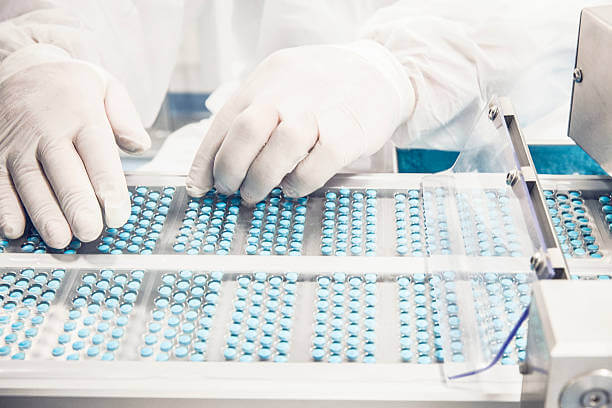
The math of running a pharma brand has shifted. Third party manufacturing pharma in Gujarat lets owners grow without sinking crores into constructing new plants, thereby keeping margins safe when raw material prices refuse to behave.
Key Takeaways:
- Third party manufacturing pharma in Gujarat helps brands skip heavy capital lock-in expenditure.
- Pharma firms scale faster without owning plants outright.
- The state houses a deep cluster of regulated facilities.
- Outsourced production protects margins when input costs spike.
- Brand owners stay focused on marketing and distribution.
Pharma brands across India have started rethinking what they own and what they hire out. Building a plant takes years and burns cash that could fund marketing teams. That shift explains the sharp pull towards third party manufacturing pharma in Gujarat, where mid-sized companies are finding a quicker route to scale without putting their balance sheets through the wringer.
The pressure on younger pharma companies keeps building. Compliance audits get stricter every year, raw material costs swing without warning, and shelf battles in retail are brutal. Choosing third party manufacturing pharma in Gujarat lets owners hand off the production headache and protect what really decides survival, which is brand reach and prescriber trust.
Why Pharma Owners Are Walking Away From Plant Building
- Capital That Strangles Growth: A new plant demands crores of rupees long before the first tablet leaves the line. Concrete, machinery, validation batches, qualification runs. Money locked up in walls cannot be spent winning prescribers or hiring field staff. Owners watch rivals launch quicker simply because they were not busy paying for their own factory floor.
- Construction Years You Cannot Spare: Setting up a regulated facility takes anywhere between two and four years once approvals, qualifications, and stability batches are factored in. Markets do not pause during that window. By the time the gates open, the molecule a company planned to launch may have already become crowded with copycats and price erosion has begun.
The Quiet Costs Choking Mid-Sized Pharma Brands
- Input Prices That Move Without Warning: API costs shift week to week, sometimes by double digits, and a small brand absorbing those swings alone watches its margins disappear in real time. Larger contract sites buy bulk and hedge across many clients, which spreads the pain. Owning a captive plant means swallowing every single price spike on the firm’s own books.
- Regulatory Files That Never Stop Growing: Schedule M revisions, environmental clearances, state FDA queries, and stability documentation pile up faster than internal teams can clear them. Smaller pharma owners find themselves pulled into compliance paperwork that should never have reached their desks. Outsourcing shifts that entire load onto specialists who file these documents every single week.
What Gujarat Quietly Brings to the Manufacturing Table
- Density of Regulated Plants in One Belt: Drive through Ahmedabad, Vadodara, and the Ankleshwar belt and the number of WHO-GMP aligned plants packed into that stretch is hard to miss. Density changes everything. A brand owner picks a partner instead of settling for the closest gate. Plants sit near enough that moving work elsewhere is a real option, and quotes sharpen quickly the moment three or four suppliers realise they are being weighed against each other.
- Logistics That Shrink Time to Shelf: Two working ports on the coast, Mundra and Kandla. A freight corridor running clean through the state. Truckers who have been hauling cargo on these roads for as long as anyone can remember. Goods leaving an Ahmedabad warehouse on Monday are with a Delhi or Mumbai stockist by week’s end. That kind of pace keeps launch dates intact when the marketing team has already booked doctor visits.
Direct gains pharma owners report after moving to outsourced production include:
- Working capital freed up, ready to back marketing or expansion instead of sitting in walls.
- Quicker validation, because the partner is already running similar SKUs on qualified lines.
- Dosage forms a small captive plant could never justify at low volumes.
- Per-unit pricing tied to volume slabs, not overhead drag.
- Internal teams stop drowning in compliance paperwork.
Why Partner with Vibcare Healthcare?
Vibcare Healthcare runs a WHO-GMP certified facility backed by more than 1,500 approved formulations and over a decade of production. For brands growing across Gujarat, the draw is a single certified partner that handles formulation, testing, documentation, and packaging in one place. Flexible batch sizes fit a cautious first launch or a large repeat order, so output tracks real demand rather than guesswork.
A Sharper Way to Scale
The brands winning shelf space across India today are the ones that stopped confusing asset ownership with business strength. Production is a function. Brand building is the actual business. Decide where the energy needs to flow, find a manufacturing partner who already knows the route, and start the conversation before competitors close the same doors.
Frequently Asked Questions
Which are the best third party pharma manufacturing companies in Gujarat?
The best hold WHO-GMP certification and show clean audit records over several years. Look for a wide span of approved formulations and one plant that handles tablets, capsules, oral liquids, and external preparations. Density in the Ahmedabad and Ankleshwar belt means you can weigh several certified suppliers before committing.
Why is Gujarat a preferred location for pharma manufacturing?
Gujarat packs a dense cluster of WHO-GMP aligned plants across Ahmedabad, Vadodara, and Ankleshwar, backed by a deep supplier base. Two working ports at Mundra and Kandla plus a clean freight corridor shorten time to shelf. That mix of density and logistics keeps both sourcing and dispatch quick.
What products can be manufactured through third party manufacturing in Gujarat?
Certified plants make tablets, capsules, and soft gelatin formats, along with oral liquids such as syrups and suspensions. External preparations including creams, ointments, and gels are common. Therapeutic coverage spans analgesics, cardiovascular, antidiabetics, CNS, respiratory, and nutraceutical categories, so a brand can build range from one partner.
What certifications should a pharma manufacturing company in Gujarat have?
Start with WHO-GMP, then check for GMP, GLP, and ISO 9001 alongside it. Together they show the site keeps hygiene, testing, and records to a recognised standard. Brands eyeing export markets should also ask whether the plant clears EU GMP or PIC/S audits before placing an order.
Why choose Vibcare Healthcare for third party manufacturing in Gujarat?
Vibcare Healthcare brings WHO-GMP certified production, more than 1,500 approved formulations, and full documentation support to brands building across Gujarat. The team covers tablets, capsules, oral liquids, and external preparations, with flexible batch sizes for early launches or bulk repeat orders. You hold the formula and the market plan while specialists run the making.
Featured Image Source: https://media.gettyimages.com/id/578997219/photo/worker-inspecting-pills-on-blisterpack-conveyer-belt.jpg