


Pharmaceutical Manufacturing Companies in India: Hubs, Licences and How to Verify a Manufacturer
How the industry is structured, where the plants are, what a licence and a WHO-GMP certificate tell you, and how to check a manufacturer before you place an order.
Home›Third Party Manufacturing›Pharmaceutical manufacturing companies in India
India has about 3,000 drug companies and 10,500 manufacturing units, produces the third largest volume of medicines in the world and supplies a fifth of the world’s generic medicines by volume. The companies behind those figures are of several kinds, work under one licensing system, and cluster in a handful of states. This guide describes that structure, names the hubs with figures from government and industry bodies, explains what a manufacturing licence, a WHO-GMP certificate and a Schedule M certificate each prove, and sets out how to verify any manufacturer from its pack and its papers before an order.
- Figures from official sources. India Brand Equity Foundation, Invest India, the Government of Gujarat and the Drugs and Cosmetics Rules, each cited where used.
- Verification, not ranking. The licence forms, certificate types and pack markings that let a buyer check a manufacturer’s claims independently.
- One worked example. Vibcare Healthcare’s own licence and certificate numbers, shown so the method can be seen on a real plant.
India’s pharmaceutical manufacturing base
Figures from the India Brand Equity Foundation and Invest India
India also has the largest number of US-FDA-compliant plants outside the United States. Sources: India Brand Equity Foundation, Indian pharmaceutical industry (ibef.org); Invest India, Pharmaceuticals (investindia.gov.in); both read on 15 September 2026.
Where the companies are: the manufacturing hubs
States and clusters, with figures where an official source gives one
Kinds of pharmaceutical manufacturing companies
By role and by the market they supply
How to verify a manufacturer
Six documents and markings, what each proves and who issues it
Two things that are often offered in place of the above and do not replace it: an ISO 9001 certificate, which covers the management system and not the medicine, and a description of the plant as “designed to” or “compliant with” a foreign standard, which is a design statement and not a certificate. Ask for the certificate itself, with its number, issuer and date, and then visit the plant.
Send your product list for a written proposal
What a verified manufacturer looks like
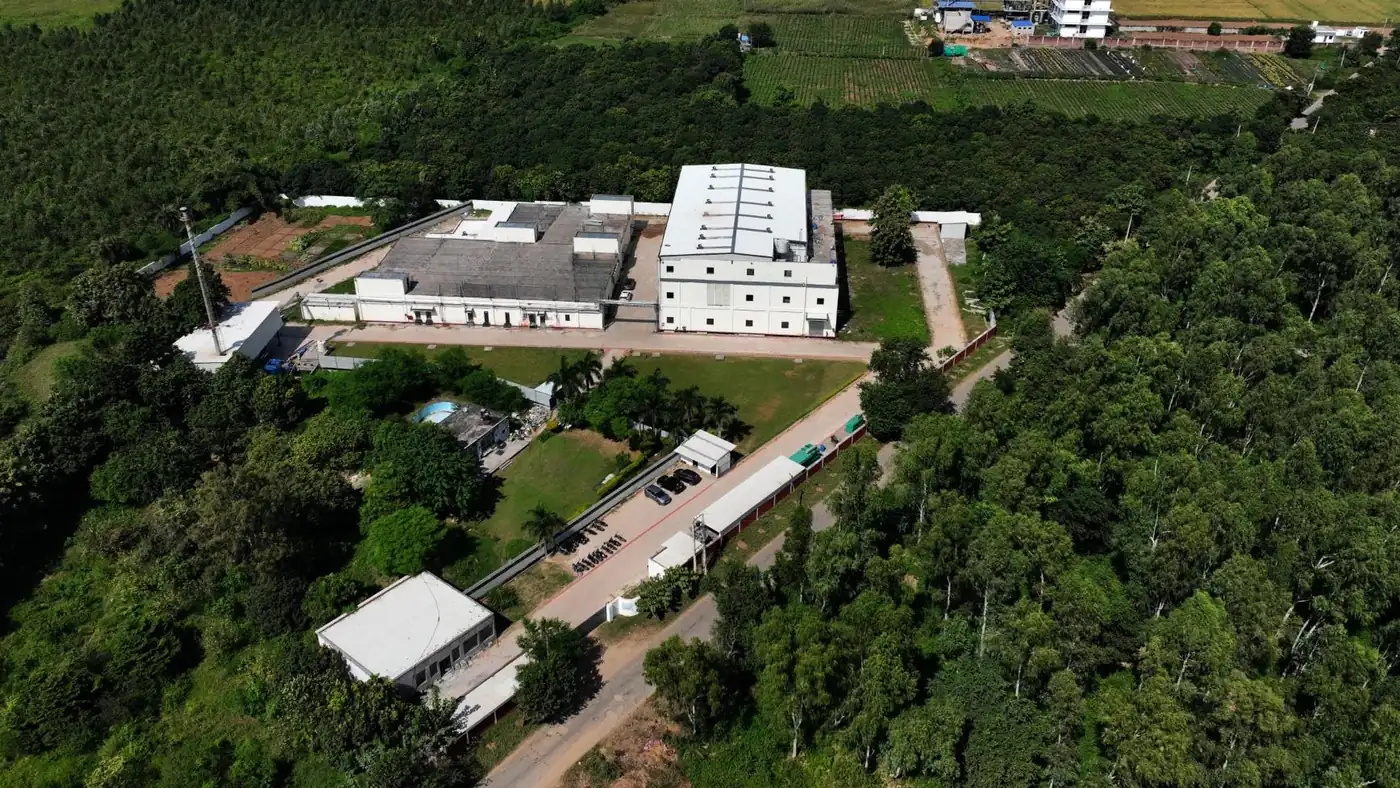
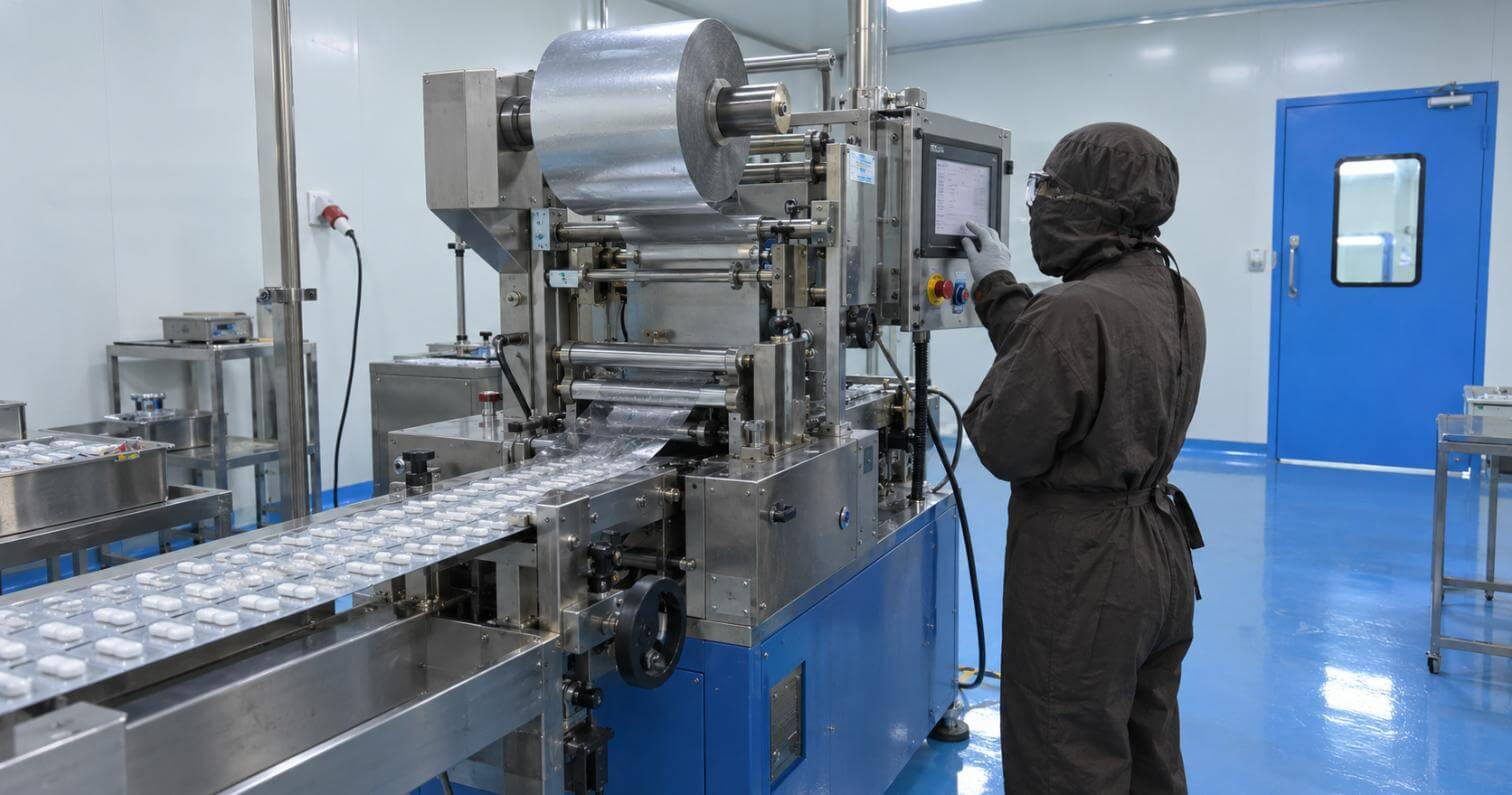
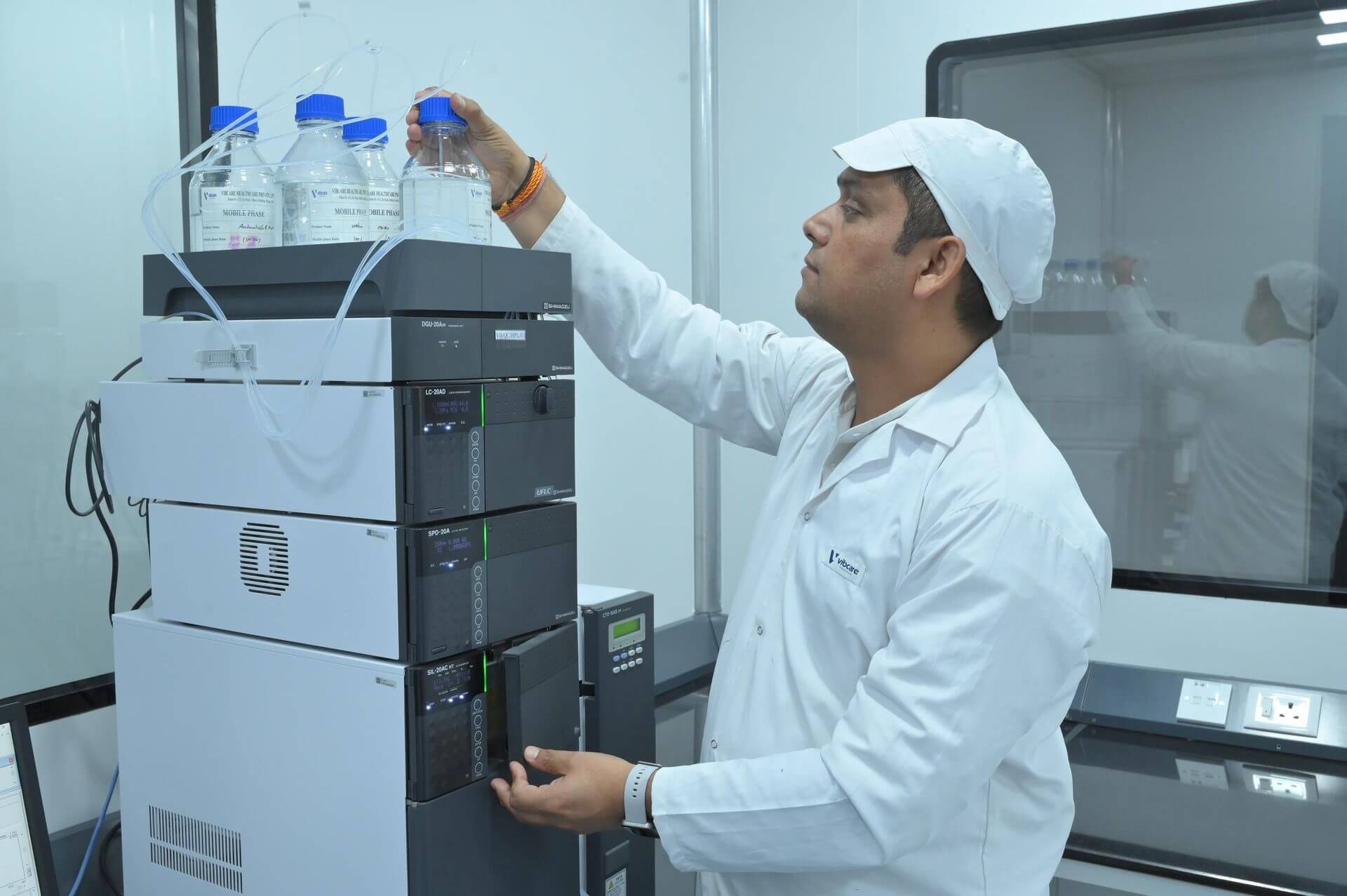
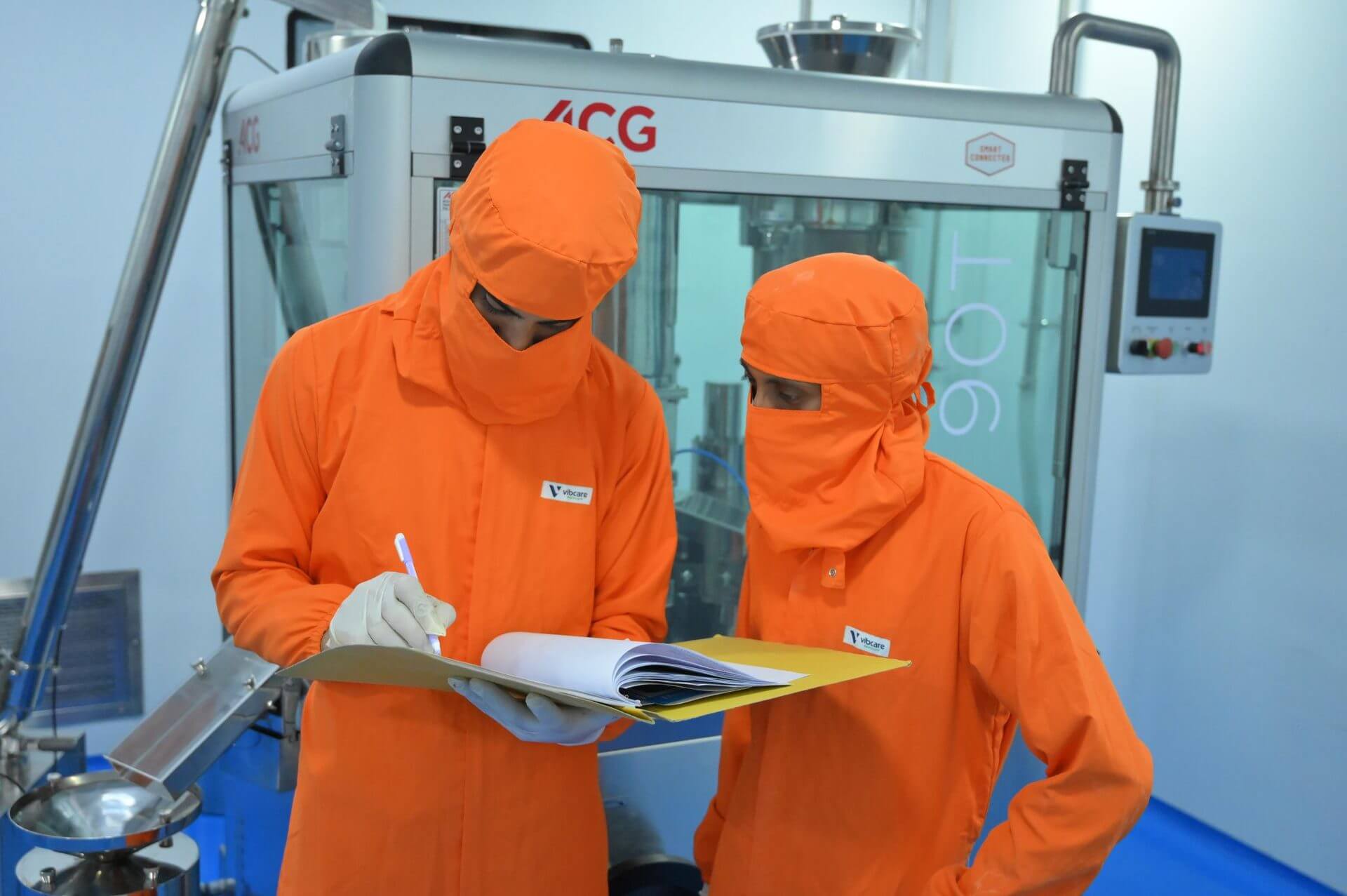
Vibcare Healthcare’s plant at Dabkori, Panchkula, as a worked example of the six checks
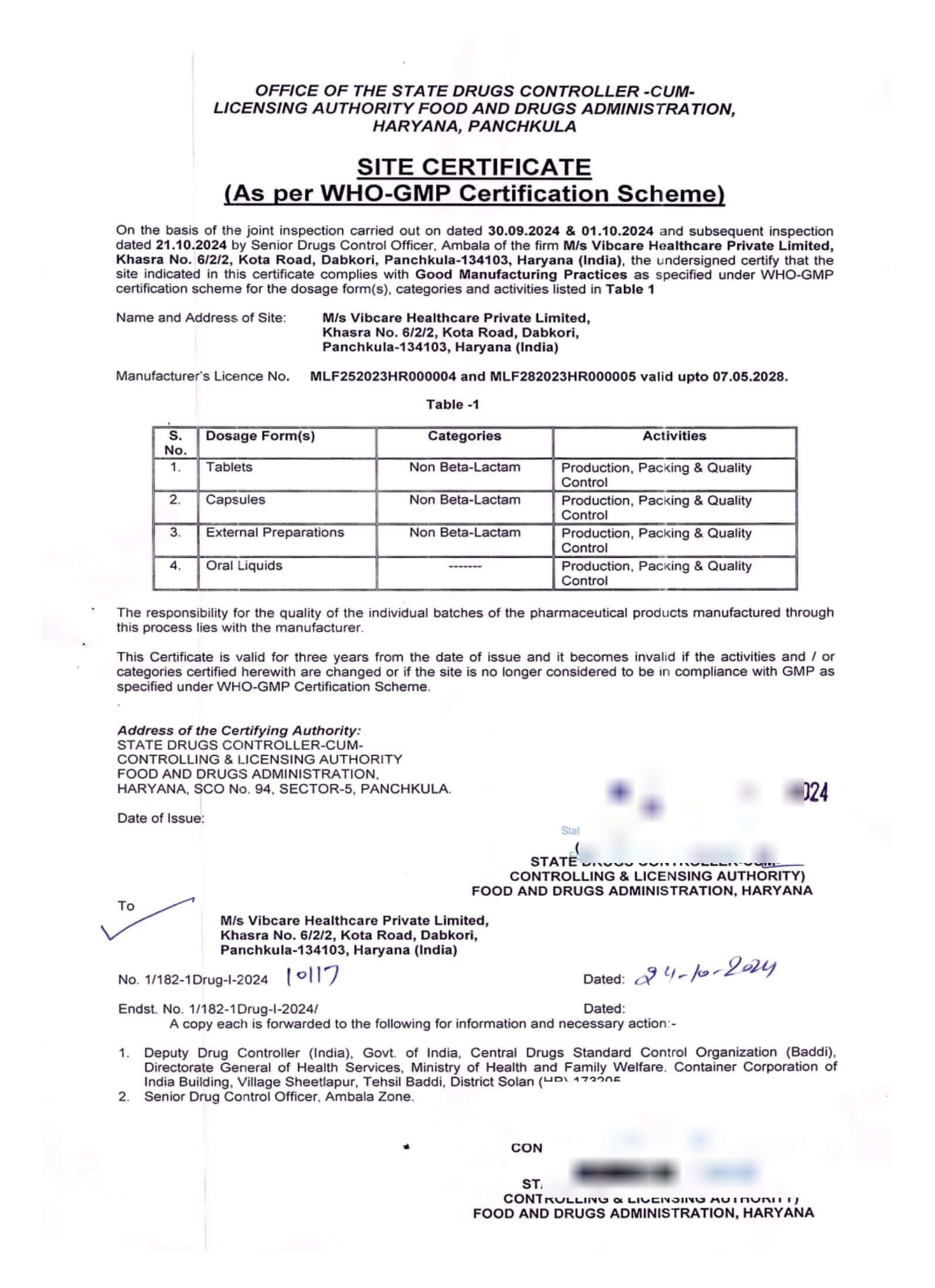
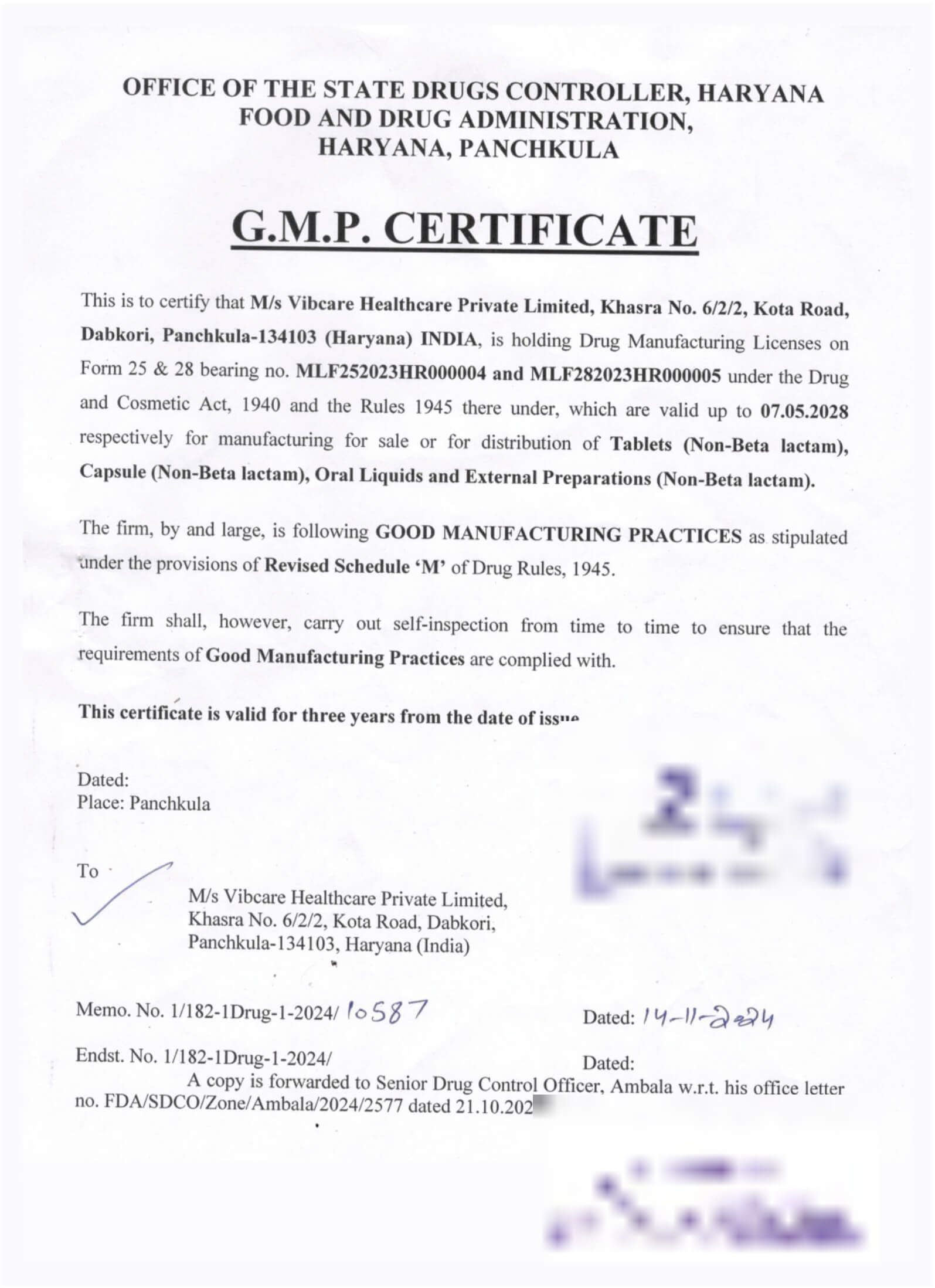
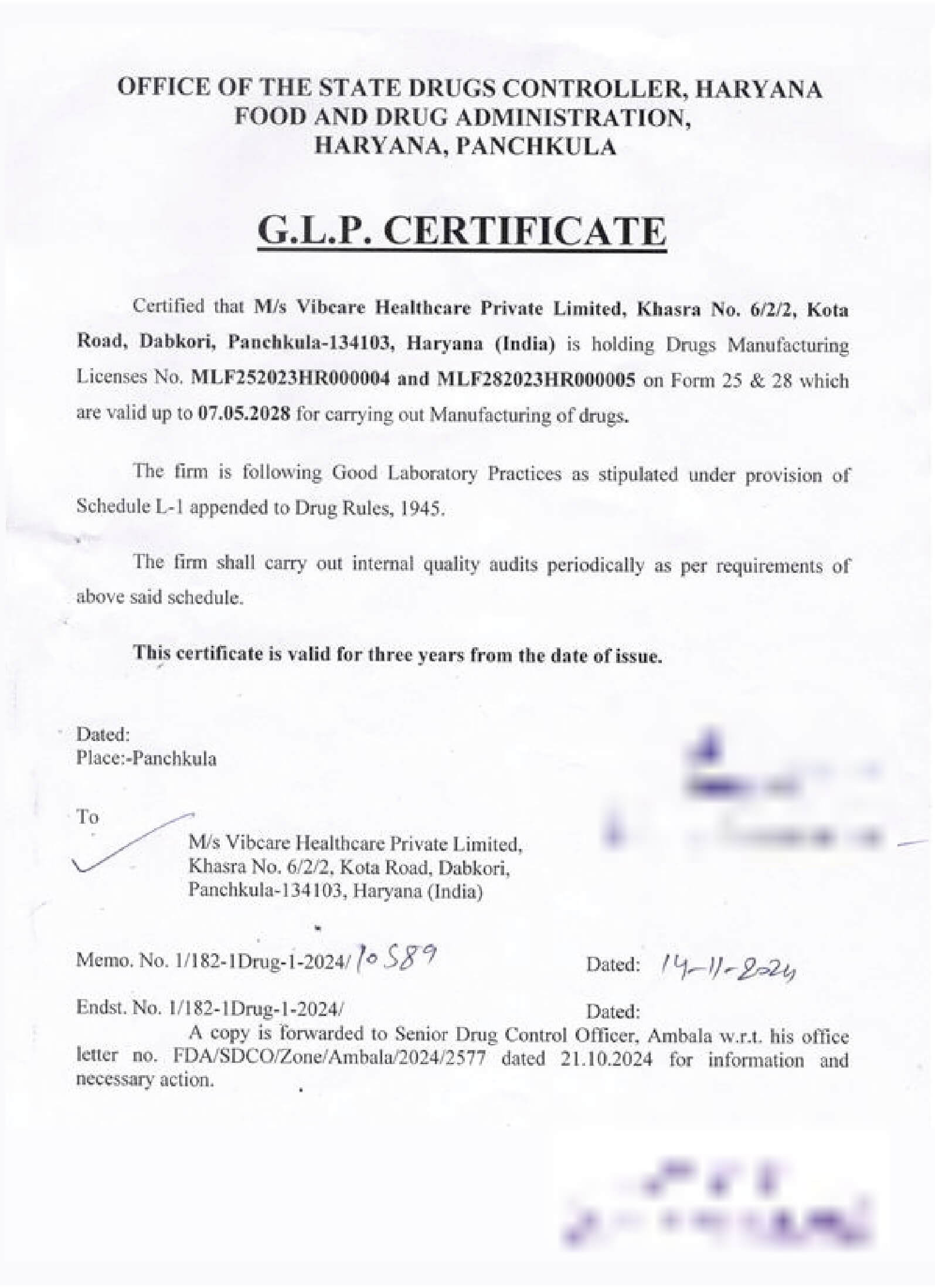
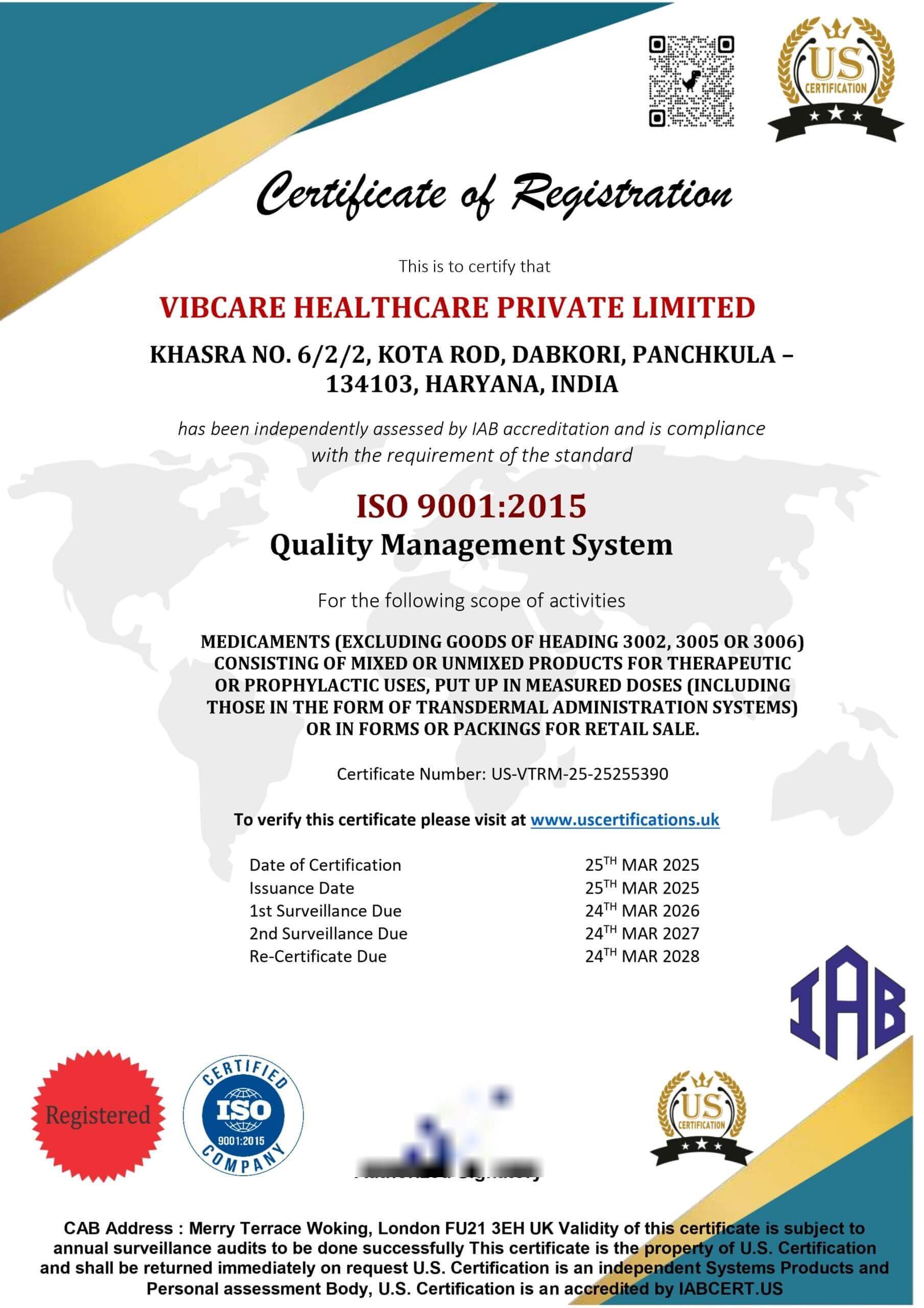 ISO 9001:2015
How to shortlist for your purpose
Four kinds of buyer, and the page on this site for each
Your own brands
A marketing company that needs products made under its brand names at a plant it can audit.
A generic range
Many brands, many SKUs, a monthly schedule and a vendor audit before the first order.
A tender or institution
Pharmacopoeial products with the manufacturer’s document set and authorisation for the bidder.
An export market
The manufacturer’s part of the registration file and the plant open to the regulator’s inspection.
Questions buyers ask about pharmaceutical manufacturing companies in India
Answered from the plant
How many pharmaceutical manufacturing companies are there in India?
About 3,000 drug companies operating roughly 10,500 manufacturing units, according to the India Brand Equity Foundation and Invest India. The units are licensed by state licensing authorities, so there is no single public list of all of them.
Which states have the most pharmaceutical plants?
Gujarat, with a third of the Indian market and more than 1,320 WHO-GMP facilities by the state government’s count; Himachal Pradesh, with more than 650 units; Maharashtra; Telangana for APIs; and the hill-state and Delhi-corridor clusters in Uttarakhand, Sikkim, Haryana and Punjab.
How do I check a manufacturer’s licence?
Ask for the licence to manufacture for sale (Form 25 and, where needed, Form 28) issued by the state licensing authority, check the sections and products on it, and match its number to the “Mfg. Lic. No.” printed on a pack from the plant. The state authority that issued it can confirm it.
What is the difference between WHO-GMP and Schedule M?
Schedule M is the GMP code in India’s own Drugs Rules, revised in December 2023 and applicable to all manufacturers. WHO-GMP certification is issued by the state licensing authority after inspection under the WHO scheme, for named sections, and is what most institutional buyers and semi-regulated export markets ask for. A plant can hold both.
Is ISO 9001 a pharmaceutical certification?
No. ISO 9001 certifies a quality management system and is issued by a private certification body. The certificates that cover the medicine itself are the manufacturing licence, WHO-GMP, Schedule M GMP and GLP, all issued by the drug licensing authority.
Can any Indian manufacturer export?
Any licensed manufacturer can export to a market whose regulator accepts its documents; the importer registers the product on the manufacturer’s dossier, WHO-GMP certificate and COPP. Regulated markets require the plant to hold that regulator’s own approval, which most Indian plants do not.
What does a WHO-GMP certificate not tell you?
Whether the plant has free capacity, whether it develops products, what it charges, and how it answers a query on a batch. Those come from the proposal and the visit, which is why a licence check is the start of a shortlist and not the end.
Can I visit a plant before ordering?
A manufacturer that expects your order should expect your audit. Vibcare Healthcare’s plant at Dabkori, Panchkula is open to buyers’ quality teams by appointment, about 45 minutes from Chandigarh airport.
How this guide was compiled
Sources and date
Written by Siddharth Singhal, Director, Vibcare Healthcare Private Limited. Industry figures are from the India Brand Equity Foundation and Invest India; Gujarat figures from the Government of Gujarat’s Vibrant Gujarat pharmaceutical sector profile; Himachal Pradesh from IBEF’s state profile; licence and certificate descriptions from the Drugs and Cosmetics Act 1940 and Rules 1945 as amended. Plant facts are Vibcare Healthcare’s own licences and certificates, shown with signatures blurred. No other company is named or ranked. Published 15 September 2026.
Send your requirement today
Products, pack sizes, annual quantity and the market. You will get feasibility, rate, batch size and lead time in writing.
info.vh@vibcare.co.in · +91 85660 76607 · Khasra 6/2/2, Kot Road, Village Dabkori, Panchkula, Haryana 134103 · Download brochure